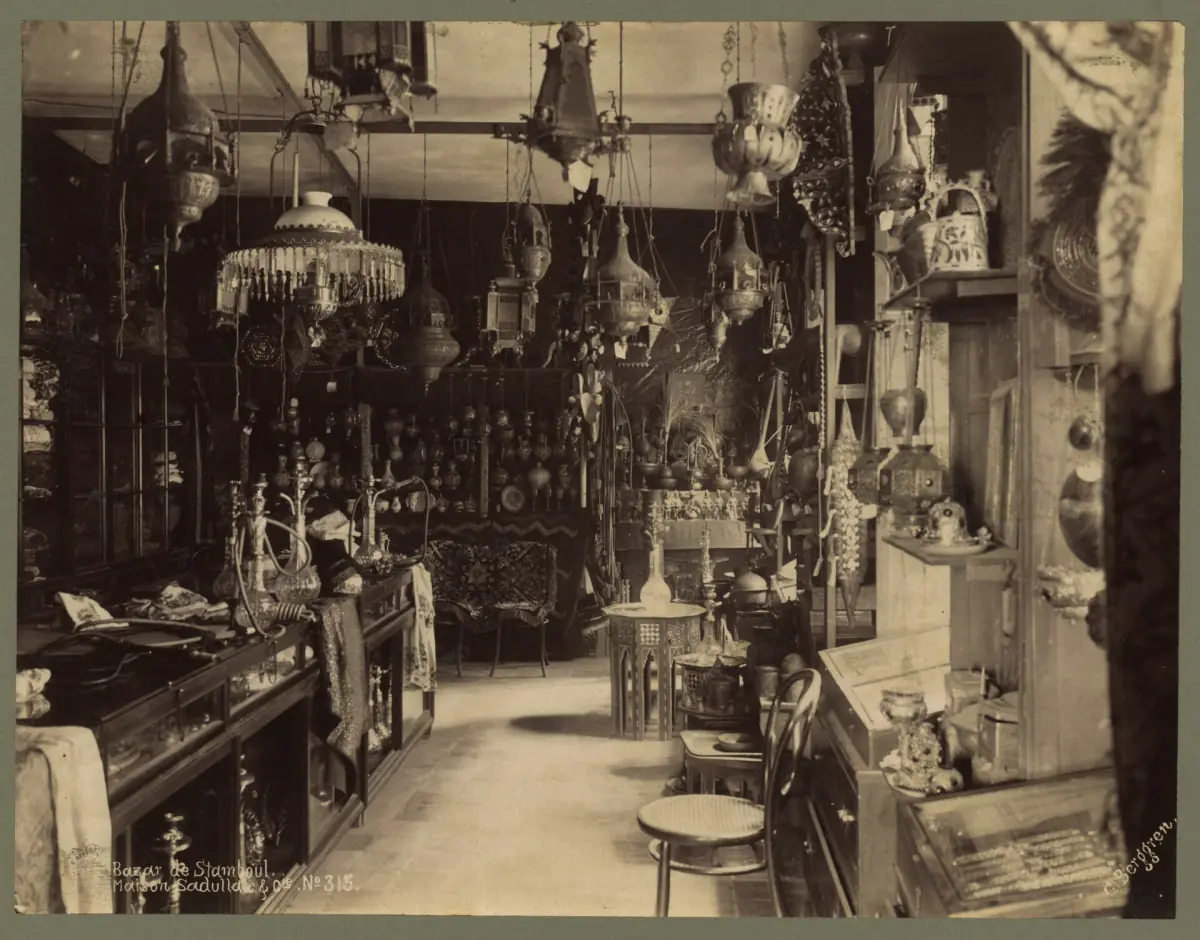
The Grand Bazaar in short
The Grand Bazaar (Kapalıçarşı) began under Sultan Mehmed II. It was founded in 1461, and its income served the Hagia Sophia.
The market was not built in one go. Halls, hans and covered streets grew around two old cores, the Cevahir Bedesten and the Sandal Bedesten. If you want the history on the spot, a guided walk is the quickest way: see our page on Istanbul city tours with the Grand Bazaar, which also covers the sights around it.
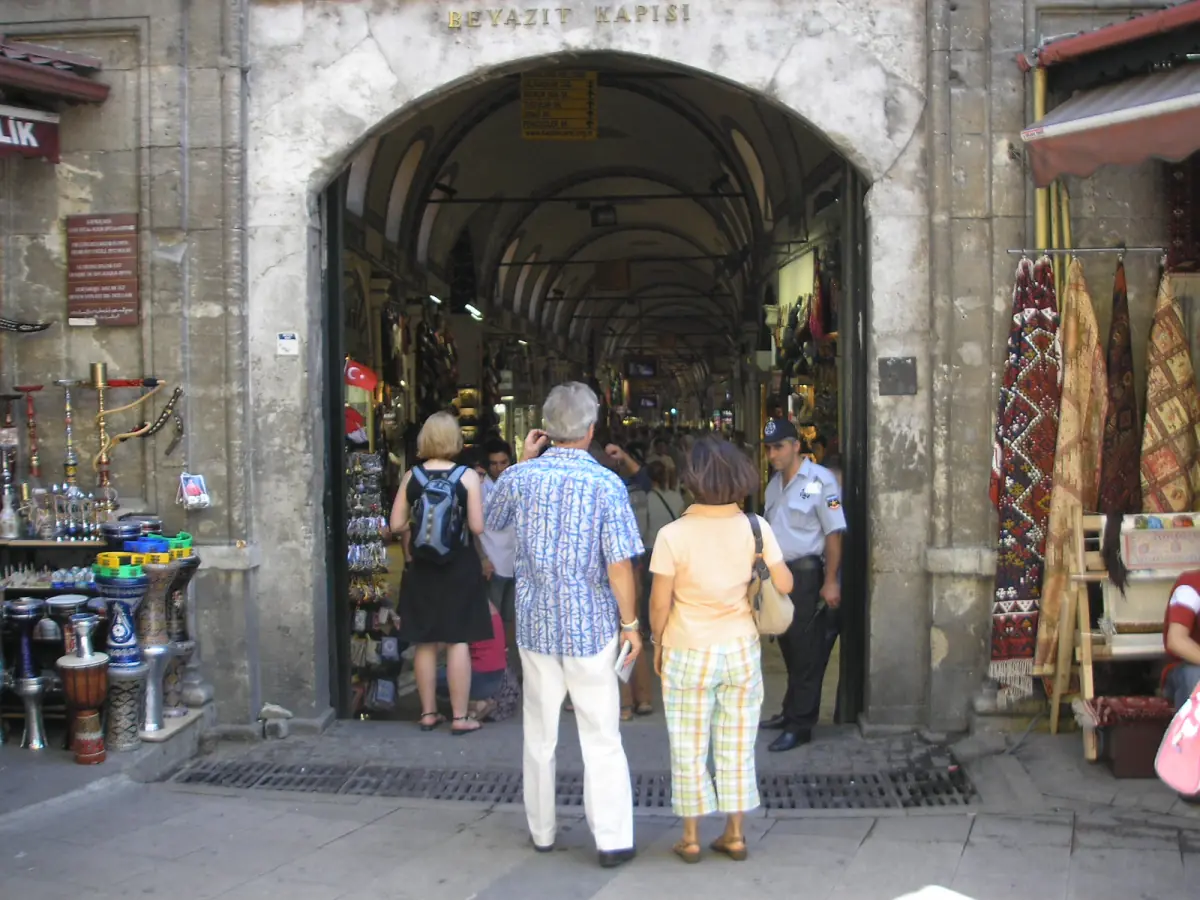
Founding and early growth
Founding took place in stages.
1455 to 1461
The core building dates to about 1455 to 1461, and construction started around 1460. There is no single opening day.
Two bedestens
The Cevahir Bedesten, also called İç Bedesten or Bedesten-i Atik, is one hall. The Sandal Bedesten, also called Yeni Bedesten, is the second. Two bedestens stand at the core of the market.
Hans and covered streets
Over time, hans and covered streets grew in stages around the two halls. The market is therefore a result of many additions, not a project with a single date.
Our pick: a private day with a guide
A private guide gives you the time to ask about the history of the bazaar and the Old City.
Hand-picked tours, booked through GetYourGuide. Prices are indicative starting prices in euros (as of October 2026). Tap a tour for live availability and the current price in your currency.
Grand Bazaar tours and Istanbul experiences
Guided walks, food tours and workshops around the Grand Bazaar, with live prices and availability.
Timeline of fires, earthquakes and repairs
The dates that can be fixed.
| Year | Event |
|---|---|
| 1455 to 1461 | Core building; construction began around 1460 |
| 1461 | Founding under Mehmed II |
| 20 November 1651 | Fire |
| 1766 | Earthquake, followed by repairs |
| 1894 | Earthquake and rebuilding |
| 26 November 1954 | Fire |
| 2019 | Roof covering renewed |
These are the best-known fires and quakes, not a complete list. Repairs after 1894 took between about 18 months and 4 years. For most readers the main point is that the market was rebuilt more than once and still stands in its old place.
The hans around the market
Courtyard buildings from several centuries.
Around the covered market stand courtyard buildings called hans. The Büyük Valide Han was founded by Kösem Mahpeyker Valide Sultan. It is a 17th century building, with construction placed between 1623 and 1640 and some dates running to 1651. Read more on the Büyük Valide Han page.
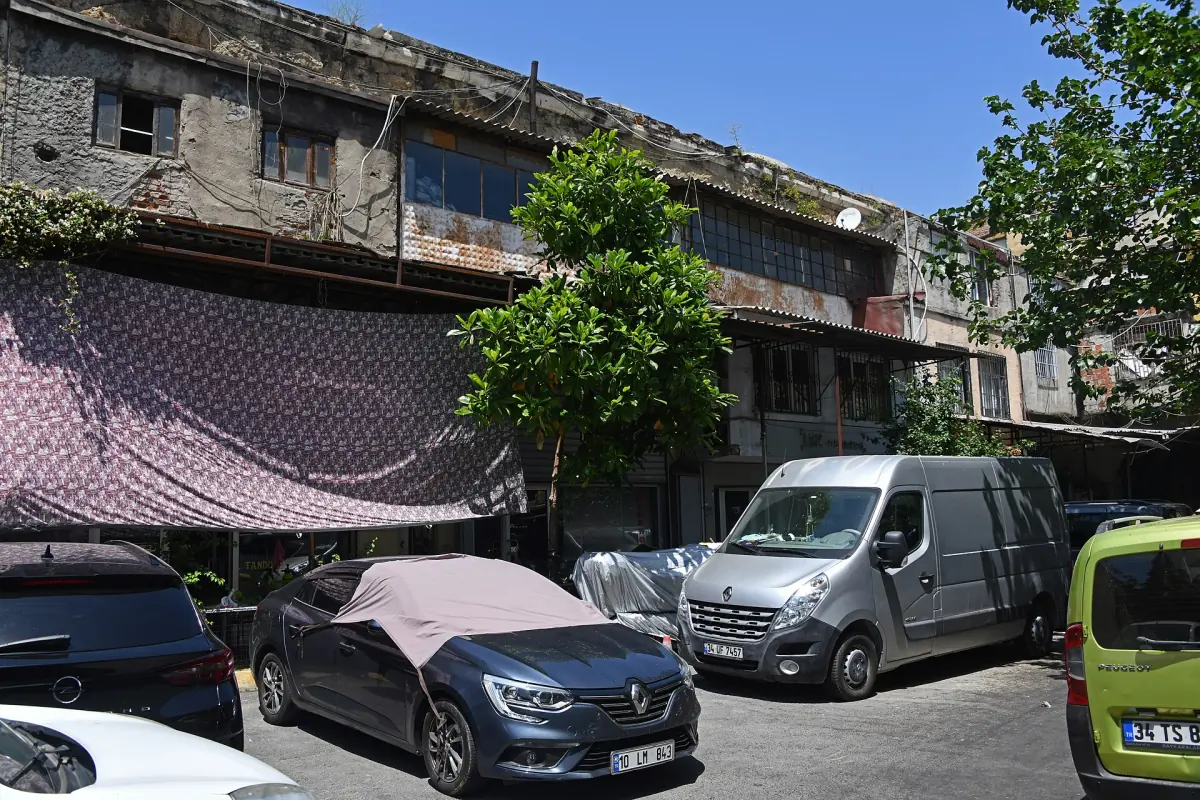
The Çuhacı Han in Beyazıt is dated to 1701 and linked to Nevşehirli Damat İbrahim Paşa. The Kürkçü Han goes back to a foundation by the grand vizier Mahmud Paşa in the time of Mehmed II and has 2 courtyards. The Zincirli Han has a courtyard, shops on the ground floor and workshops above.
The Spice Bazaar in Eminönü is a separate market. Its building was ordered by Turhan Sultan in 1660 and finished in 1664. Visit it on its own, see the Spice Bazaar guide.
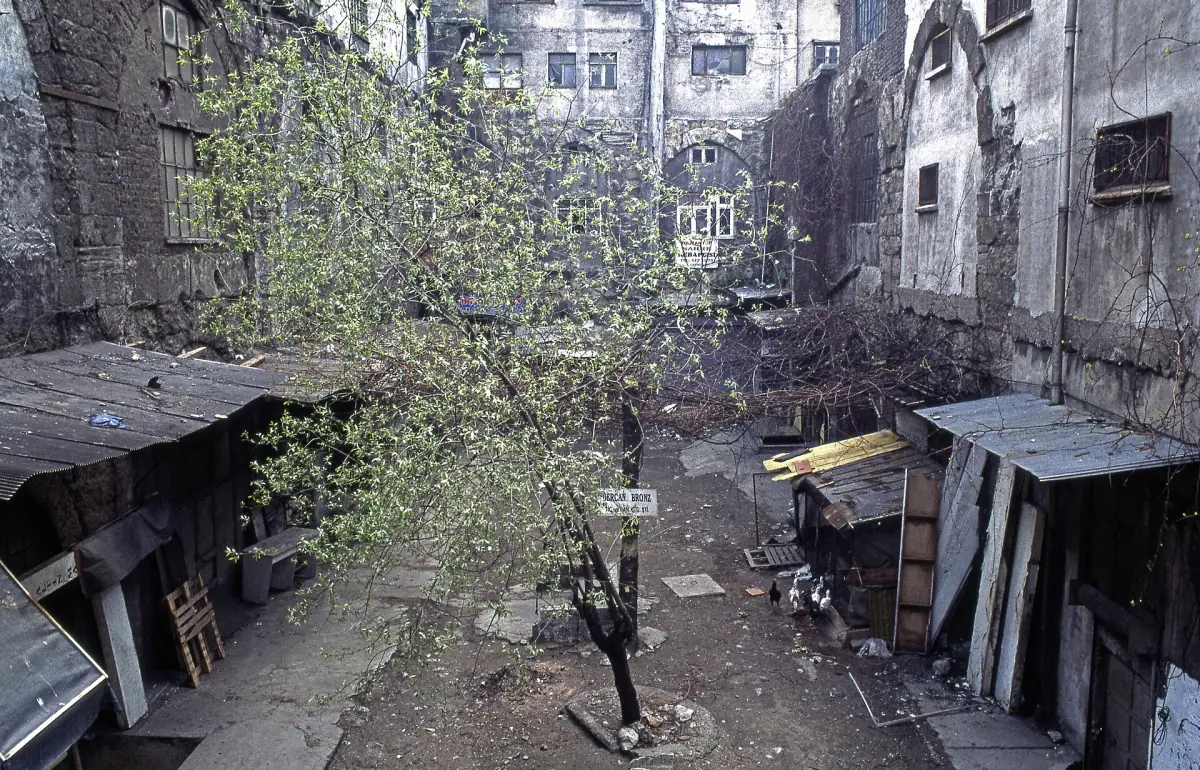
Reading the gates and numbers
History you can still see.
Two gates with their own marks
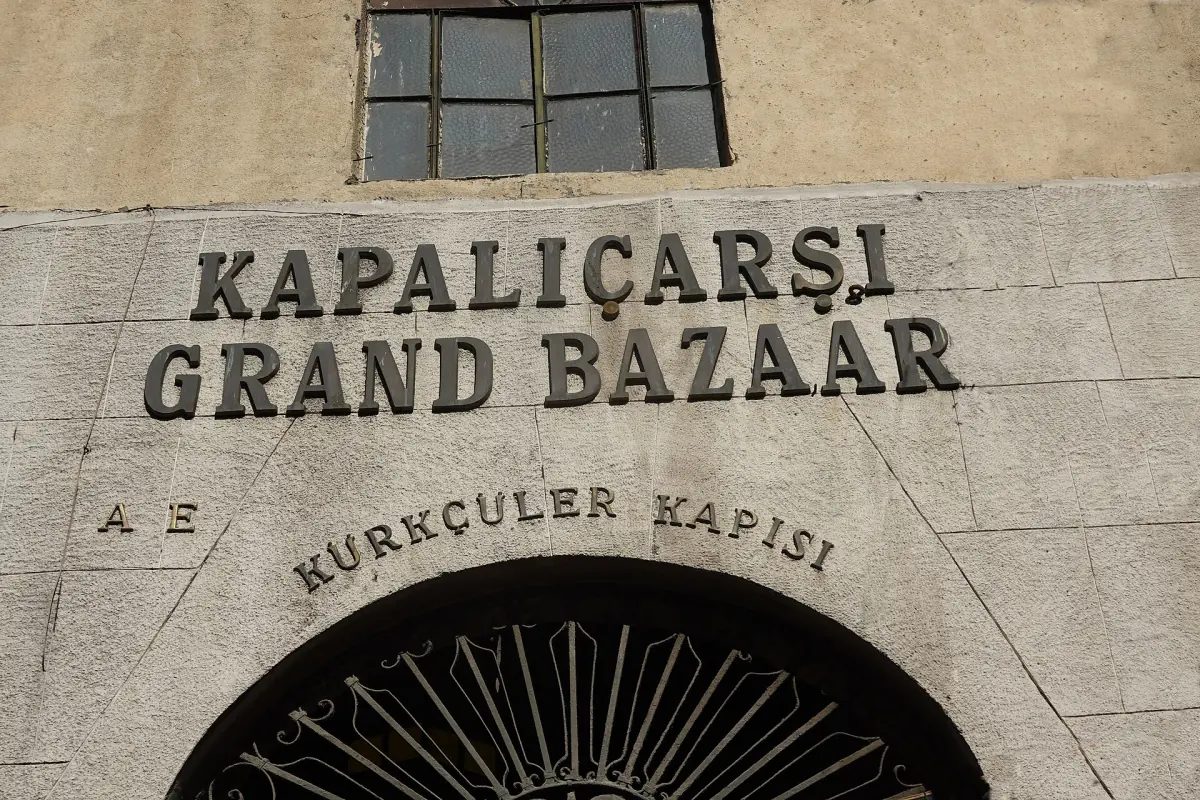
The Beyazıt Gate carries the tughra of Abdülhamid II. The Nuruosmaniye Gate carries the Ottoman state coat of arms. See the gates and layout page for how to find them.
Counts differ
The numbers of gates, streets, shops and hans vary by count, from 18 to 22 gates and from about 2,500 to 4,500 shops. Treat any single figure as an approximate size.
No world record
Labels such as "oldest" or "largest market in the world" depend on how you define a market, so this guide does not use them.
Restoration today
The work is not finished.
The roof covering was renewed in 2019, and further stages followed, including a third stage that is still under way. The roof project is not the same as a finished restoration of the whole market.
Work also goes on in some hans. Protection works at the Zincirli Han began in September 2026 and cover 78 cells or rooms, which does not mean the whole han is closed. Plans for the restoration of the Büyük Safran Han are being prepared, and trade continues there. This work does not close the Grand Bazaar as a whole. Check the opening hours before you go.
Plan the rest of your trip
More pages about the market.
Gates and layout
Entrances, streets and how to find your way.
Büyük Valide Han
Courtyards, workshops and building history.
Grand Bazaar tours
Guided walks of different lengths compared.
For the nearby monuments of the old city, see the history of the Hagia Sophia.
Grand Bazaar history: frequently asked questions
When was the Grand Bazaar built?
The founding year is 1461 under Mehmed II. The core building dates to about 1455 to 1461, with construction starting around 1460.
Who built the Grand Bazaar?
It was founded under Sultan Mehmed II. Its income served the Hagia Sophia.
What are the bedestens?
They are the two stone halls at the core of the market: the Cevahir Bedesten and the Sandal Bedesten.
Which earthquakes and fires hit the market?
The market was repaired after earthquakes in 1766 and 1894 and hit by fires on 20 November 1651 and 26 November 1954. The list is not complete.
Has the Grand Bazaar been fully restored?
No. The roof covering was renewed in 2019, and further stages followed. Work is ongoing, including at some hans.
Is this site official?
No. This is an independent travel guide with no link to the Grand Bazaar administration, the tradespeople's association or the municipality.