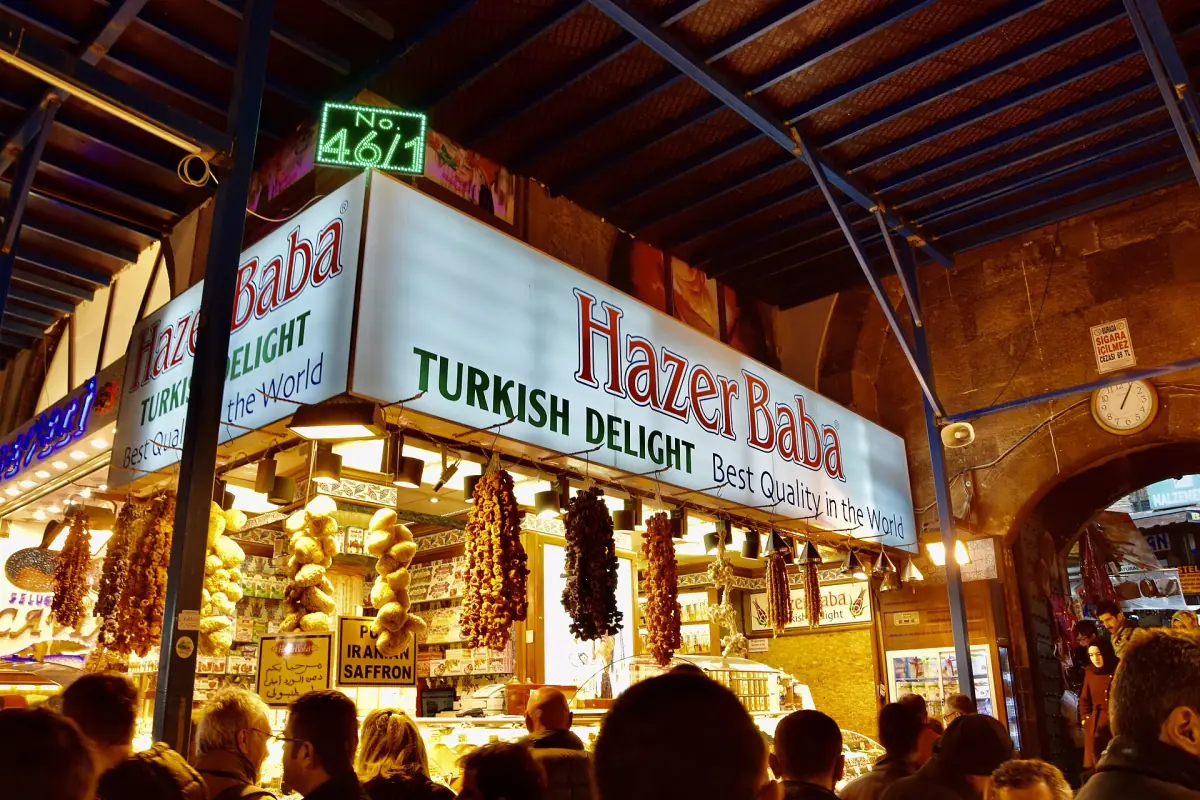
What to buy in the Grand Bazaar
The Grand Bazaar is a market for trade and craft. Gold and silver jewelry, carpets and textiles, bags, ceramics and souvenirs are the groups you will see most often. Lamps, spices and copperware belong to the range too, along with cafés and places to eat.
The range tells you what is sold, not how good it is or where it comes from. Compare several shops before you buy anything expensive, and do not rely on a label such as antique or handmade as proof. If you want someone to compare shops with you, a local guide on one of the Grand Bazaar shopping tours can help.
Our pick: shopping with an assistant
Useful if you know what you want to buy and would like help finding it.
Hand-picked tours, booked through GetYourGuide. Prices are indicative starting prices in euros (as of October 2026). Tap a tour for live availability and the current price in your currency.
Shopping tours in the Grand Bazaar
Private shopping tours with a local guide and walks through the Grand Bazaar and the Spice Bazaar, with live prices and availability.
What the shops sell
The main groups and what to watch for.
Gold and silver jewelry
Gold and jewelry shops are found on the Nuruosmaniye side of the main axis. The name Gold Lane is a handy way to orient yourself, not a promise that only gold is sold there.
Gates and layout →Carpets and kilims
Hand-knotted and machine-made carpets differ, and material and workmanship affect the price. A large purchase calls for comparison and some knowledge. No shop label guarantees authenticity.
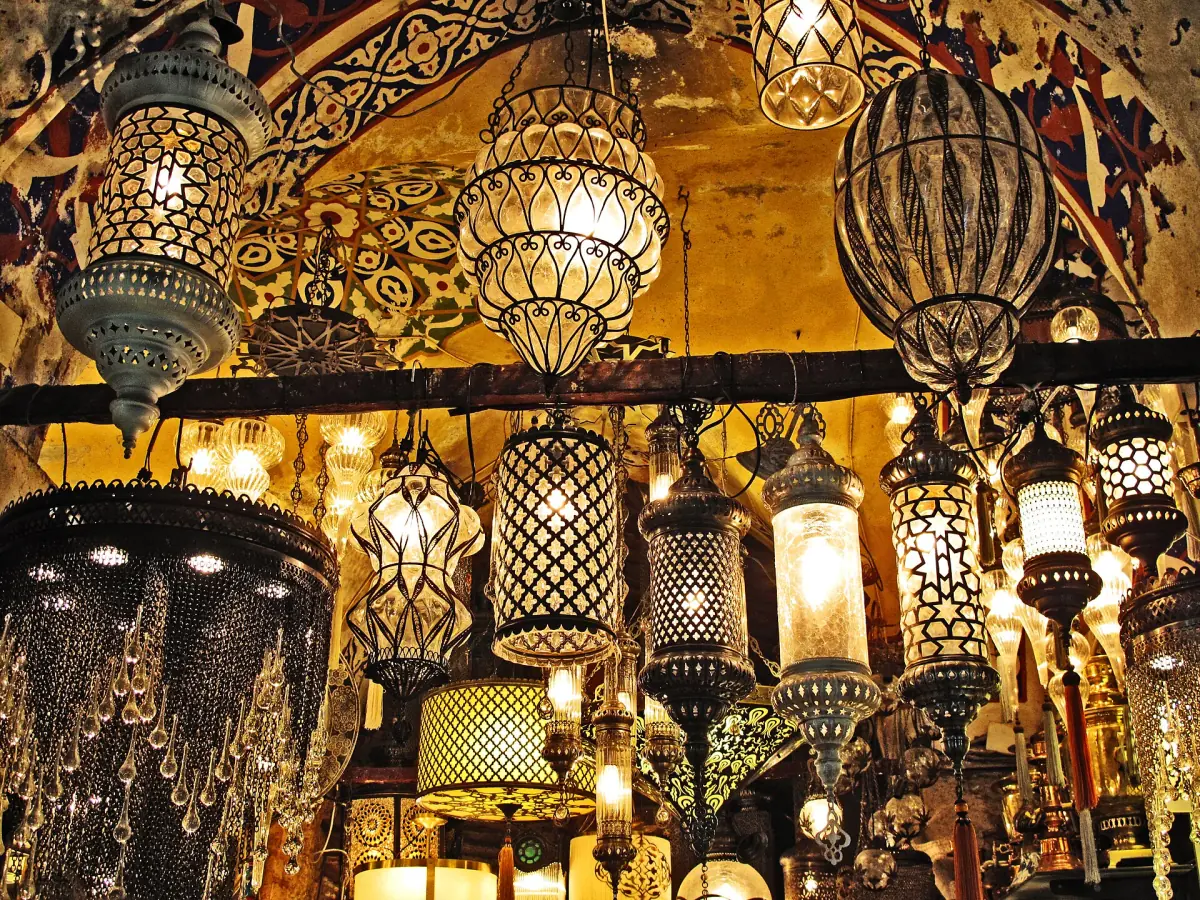
Lamps and ceramics
Both are fragile, so check the packing and how you will carry them. Words such as antique or handmade are sales labels, not a guarantee. Some pieces are reproductions made in an antique style.
Make your own mosaic lamp →Copper, bags and souvenirs
Copperware, bags and small souvenirs are the easiest things to compare. Look at the finish, the weight and the stitching.
Spices, tea and sweets
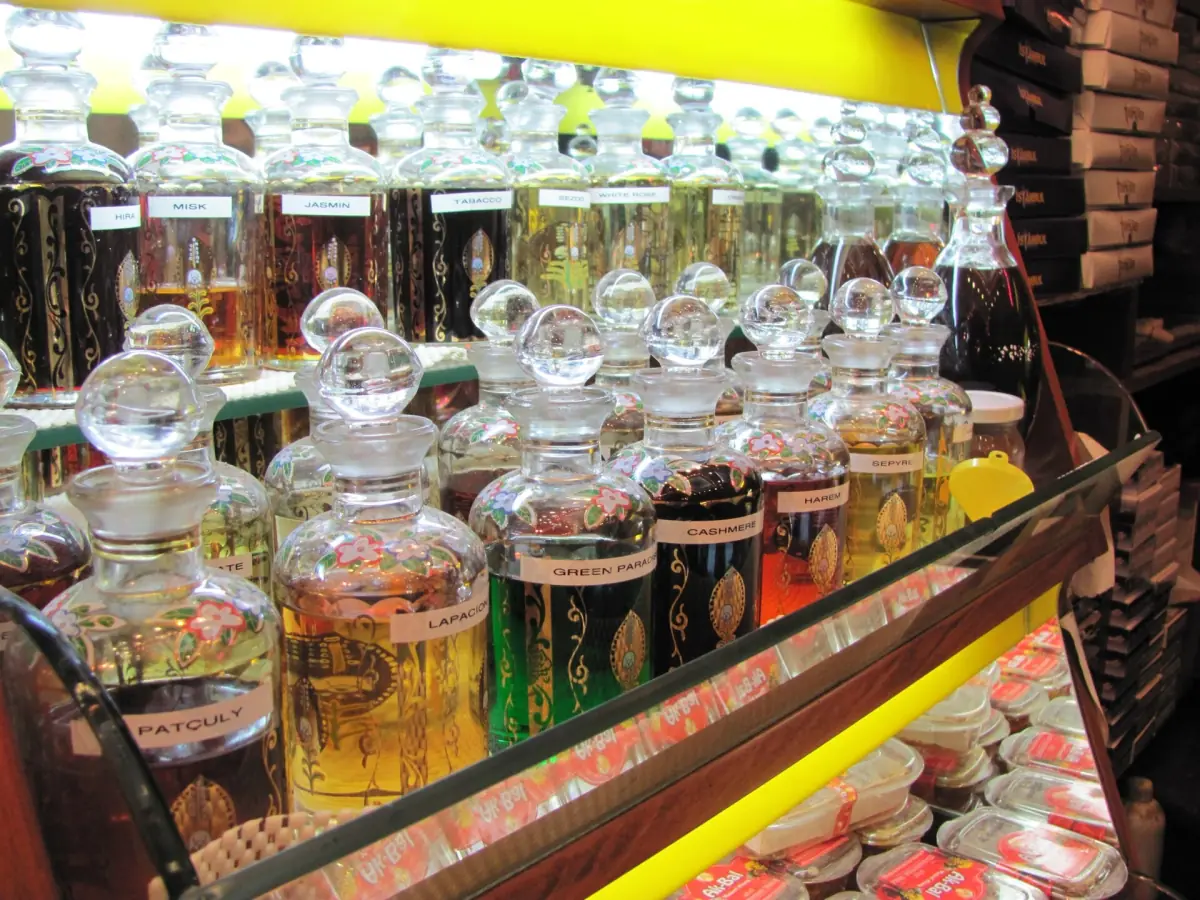
Spices, tea, nuts and lokum are mostly associated with the neighboring market, though you also find them in the Grand Bazaar. The Spice Bazaar is the place to browse for them.
Prices
Prices are not fixed and no list applies to all shops. Compare, ask and be ready to leave politely. The bargaining page explains how.
Tax free shopping step by step
For visitors who qualify and buy above the minimum.
| Step | What to do |
|---|---|
| 1. Check eligibility | Foreign nationals qualify, as do Turkish citizens with a foreign residence permit. |
| 2. Buy at an approved shop | Not every shop takes part, so ask before you pay. |
| 3. Check the amount | The goods must be worth more than TRY 1,000 excluding VAT, not exactly TRY 1,000. |
| 4. Keep the invoice | Take the printed e-invoice with you. |
| 5. Show it at departure | Present the goods and the invoice to customs when you leave the country. |
| 6. Export in time | The goods must leave the country within 3 months. |
| 7. Refund | After customs confirms, the refund is paid through the intermediary company. |
Do not count on a fixed percentage back. Keep the goods and the invoice together so you can show both at customs.
Export rules for antiques and cultural objects
Buying in a shop is not the same as being allowed to take something out.
Taking cultural property out of Turkey without permission is a crime. A receipt from a shop is not an export permit. Objects offered as antique or ethnographic may need an expert opinion from state museums before customs decides. If a piece is sold as old, ask in writing what paperwork exists and who issued it, and leave it if there is no clear answer.
More on how to talk about price is on the bargaining and export page. Before you shop, check the opening hours, since the bazaar is closed on Sundays and on religious holidays.
Shopping in the Grand Bazaar: frequently asked questions
What is best to buy in the Grand Bazaar?
Popular choices are jewelry, carpets and kilims, lamps, ceramics, copper and bags. Choose by what you will actually use at home, and compare several shops first.
Are carpets in the Grand Bazaar authentic?
Carpets range from hand-knotted to machine-made, and the bazaar has no blanket guarantee of authenticity. Ask what the material and the technique are, and compare shops for large purchases.
Can I get tax free refunds in the Grand Bazaar?
Only at shops that are approved for tax free sales and only for goods above TRY 1,000 excluding VAT. Keep the printed e-invoice and show it with the goods at customs.
Where should I buy spices and sweets?
The Spice Bazaar in Eminönü is the usual place for spices, tea, nuts and lokum, though you can also find them in the Grand Bazaar. See the Spice Bazaar page.
Can I take antiques out of Turkey?
Not freely. Unauthorized export of cultural property is a crime, and objects sold as antique may need an expert opinion from state museums. A shop receipt does not replace it.
Is grand-bazaar.org the official website of the Grand Bazaar?
No. This is an independent travel guide that recommends no particular shop and has no link to any trader or to the bazaar's management.